Install sensors
The sensors can be connected to the input channels of the ArPI board. The board provides 15 numbered channels (CH01 to CH15) for sensor connections.
V2 Board Sensor Wiring
The V2 board supports two connection methods:
- Single EOL resistor: One resistor per sensor to avoid floating inputs
- Direct connection: Simple wiring without resistors (not recommended)
V3 Board Sensor Wiring
The V3 board offers three wiring methods with different capabilities:
Choosing the Right Wiring Method
| Method | Resistors per Sensor | Detects Wire Cut | Detects Short Circuit | When to Use |
|---|---|---|---|---|
| Single EOL | 1 | ✓ NO | ✓ NC | Simple installations |
| Double EOL | 2 | ✓ | ✓ | Maximum security |
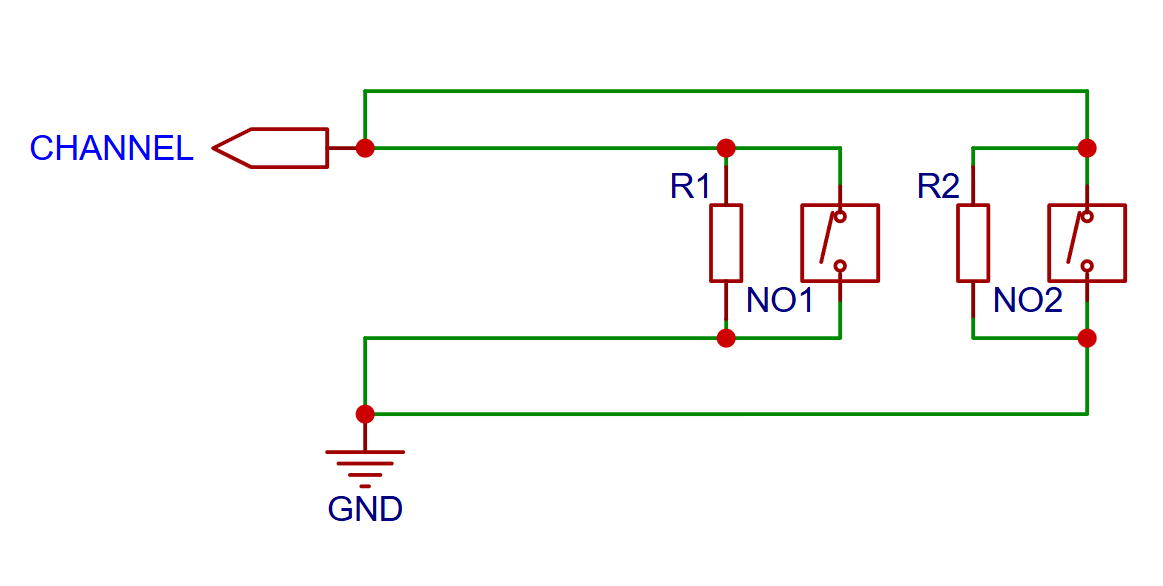
| Zone Doubling | 1 per sensor | ✓ NO | ✓ NC | For using more than 15 sensors |
Error Detection Capabilities
- Single EOL: Can detect either wire cut OR short circuit (depending on NC/NO type), but not both
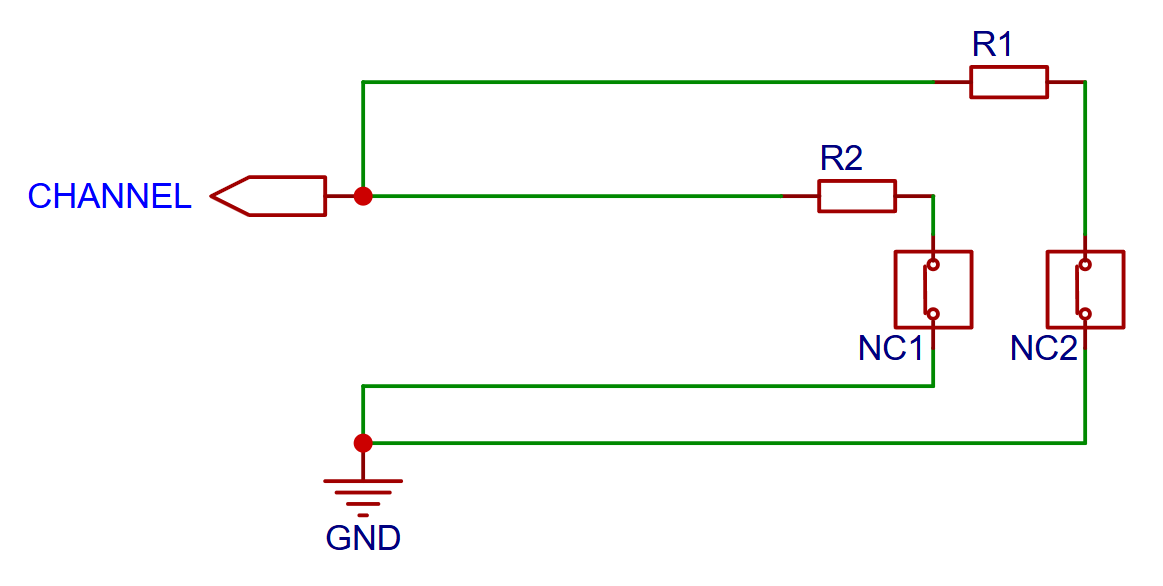
- Double EOL: Can detect both wire cut AND short circuit simultaneously, providing maximum security against tampering
Practical Recommendations
- Use Single EOL for basic installations where simplicity is preferred
- Use Double EOL for critical detection points like main entry doors and windows
- Use Zone Doubling only when you need more than 15 sensors
- Always use resistors - never leave inputs floating as this causes unreliable detection
Single EOL Resistor
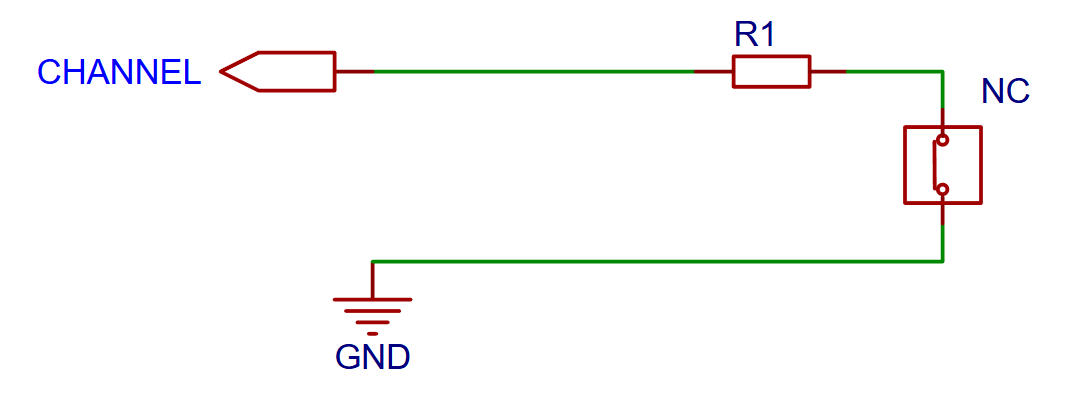
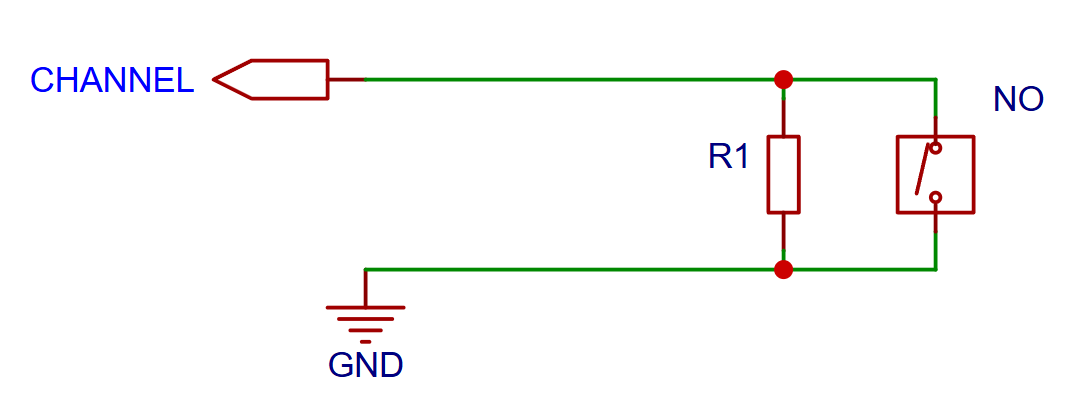
Uses one resistor (R1 = 5.6 kΩ) per sensor. The system detects sensor activation by measuring voltage changes, but can only distinguish one type of fault (either cut or short) depending on the sensor type.
Double EOL Resistor
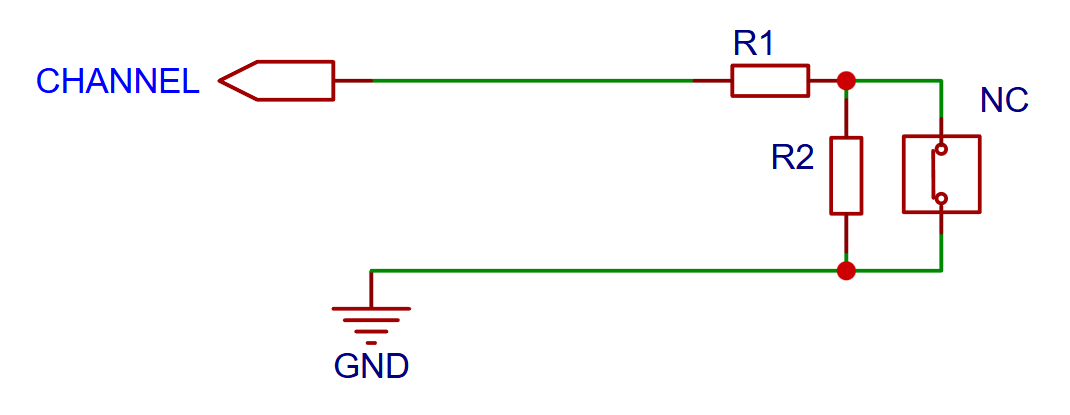
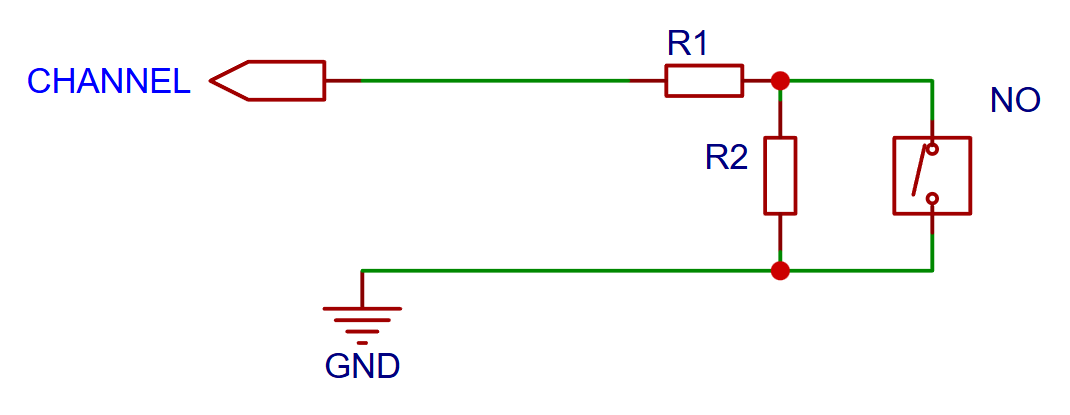
Uses two resistors (R1 = 5.6 kΩ and R2 = 1 kΩ) per sensor. This configuration creates multiple voltage levels, allowing the system to distinguish between normal operation, sensor activation, wire cut, and short circuit - providing comprehensive tamper protection.
Zone Doubling
Connects two sensors to a single channel using resistors (R1 = 5.6 kΩ for sensor A and R2 = 1 kΩ for sensor B). This allows up to 30 sensors on the 15 available channels when standard capacity is insufficient.